
Digital Marketing
Fsi blogs us: How Its Shaping Financial Services


Fsi blogs us is rapidly emerging as a powerful digital voice in the evolving world of financial services. In an industry driven by data, compliance, customer trust, and technological advancement, the need for reliable, insightful, and forward-looking commentary has never been greater. Fsi blogs us plays a significant role in connecting professionals, institutions, fintech innovators, and policy observers through meaningful discussions that influence strategic thinking and operational execution.
Financial services in the United States are undergoing structural transformation due to artificial intelligence, blockchain, cybersecurity threats, digital banking adoption, and regulatory modernization. Amid these changes, authoritative content platforms help decision-makers stay informed. This is where Fsi blogs us contributes value by bridging the gap between complex financial systems and accessible knowledge.
The Role of Fsi blogs us in Financial Industry Thought Leadership
Thought leadership has become a strategic asset within financial services. Organizations increasingly depend on industry insights to guide innovation, manage risk, and anticipate regulatory shifts. Fsi blogs us contributes by curating discussions around emerging trends and translating technical developments into practical understanding.
Financial institutions today operate in a highly regulated and technology-driven environment. Topics such as digital transformation, ESG investing, cybersecurity resilience, and decentralized finance demand deep analysis. Through structured insights and expert commentary, Fsi blogs us encourages institutions to evaluate both risks and opportunities within these domains.
Unlike traditional financial publications that often focus only on headline events, modern platforms analyze long-term structural changes. For example, when digital payment systems expand or when open banking frameworks evolve, organizations require contextual analysis. Fsi blogs us helps industry stakeholders interpret these shifts within strategic frameworks that promote sustainable growth.
Digital Transformation and Fsi blogs us in Banking Evolution
The banking sector is one of the most disrupted areas in financial services. Digital transformation has reshaped how customers interact with institutions, how risk is assessed, and how compliance is managed. Fsi blogs us explores these transitions in depth, providing analysis on digital banking platforms, AI-powered credit assessment, and mobile-first strategies.
The following table highlights how digital innovation influences banking operations and how knowledge platforms support understanding:
| Area of Transformation | Traditional Model | Modern Digital Model | Strategic Insight Value |
|---|---|---|---|
| Customer Interaction | Branch-based | Mobile & Online | Data-driven personalization |
| Risk Assessment | Manual evaluation | AI algorithms | Predictive analytics |
| Payments | Physical transactions | Instant digital payments | Speed and transparency |
| Compliance | Reactive reporting | Automated monitoring | Real-time risk detection |
As shown above, financial institutions must adapt quickly to remain competitive. Insight-driven platforms such as Fsi blogs us provide interpretative value that supports leadership teams in implementing these technological shifts responsibly and strategically.
Regulatory Awareness and Fsi blogs us Influence
Regulatory compliance remains one of the most challenging aspects of financial services. In the United States, institutions must navigate evolving federal and state regulations that impact lending, consumer protection, cybersecurity standards, and anti-money laundering frameworks. Fsi blogs us contributes to regulatory awareness by explaining policy changes in clear, contextual language. When new regulatory frameworks are introduced, financial professionals require more than legal text; they need interpretation and strategic implications. Insightful commentary helps institutions anticipate compliance requirements rather than react to enforcement actions. The relationship between regulation and innovation often appears complex. On one hand, strict oversight ensures financial stability and consumer trust. On the other hand, excessive rigidity can slow technological advancement. Balanced discussions within industry platforms allow professionals to understand how compliance can coexist with innovation.
Fsi blogs us and the Rise of Fintech Innovation
Fintech companies are redefining traditional financial models. From peer-to-peer lending platforms to digital wallets and robo-advisors, the competitive landscape is shifting rapidly. Fsi blogs us explores these transformations by analyzing how fintech startups collaborate or compete with legacy institutions.
The following table illustrates key fintech sectors and their strategic implications:
| Fintech Sector | Core Function | Industry Impact | Long-Term Outlook |
|---|---|---|---|
| Digital Payments | Cashless transactions | Increased convenience | Global scalability |
| Robo-Advisory | Automated investment management | Cost efficiency | AI integration growth |
| Blockchain Services | Decentralized records | Transparency & security | Regulatory maturation |
| Insurtech | Digital insurance models | Faster underwriting | Personalized coverage |
By contextualizing these developments, Fsi blogs us supports executives in understanding partnership opportunities, competitive risks, and market expansion strategies.
Cybersecurity and Risk Management Through Fsi blogs us
Cybersecurity threats have intensified as financial systems become increasingly digitized. Data breaches, ransomware attacks, and identity theft represent major operational risks. Knowledge-sharing platforms analyze emerging threats and highlight mitigation strategies. Fsi blogs us addresses risk management frameworks by examining cybersecurity investments, employee awareness programs, and advanced encryption technologies. Financial institutions must build resilient infrastructures to protect customer trust and regulatory standing. Risk management today involves predictive analytics and scenario modeling. Institutions that stay informed through industry analysis can proactively strengthen their defense mechanisms. As cyber threats evolve, continuous education becomes essential.
Customer Experience and Fsi blogs us Strategic Insight
Customer expectations in financial services have shifted dramatically. Clients demand seamless digital experiences, personalized recommendations, and instant service delivery. Institutions that fail to meet these expectations risk losing market share. Fsi blogs us explores how financial institutions redesign customer journeys using data analytics, automation, and behavioral insights. The transformation of user experience is not merely technological but cultural. Financial organizations must prioritize transparency, accessibility, and trust-building initiatives. Digital onboarding processes, AI chat support, and predictive financial tools enhance user satisfaction. By analyzing such trends, knowledge platforms contribute to strategic innovation within service delivery models.
Investment Trends and Market Intelligence in Fsi blogs us
Investment markets are influenced by macroeconomic indicators, geopolitical developments, technological disruptions, and demographic shifts. Financial professionals rely on analytical commentary to interpret these complex variables. Fsi blogs us provides insight into capital markets, alternative investments, sustainable finance, and portfolio diversification strategies. In recent years, environmental, social, and governance considerations have gained prominence. Asset managers integrate ESG metrics into investment decisions to balance profitability with long-term responsibility. Understanding market cycles requires contextual intelligence rather than isolated data points. Industry analysis helps investors interpret trends within broader economic frameworks.
Artificial Intelligence and Automation in Fsi blogs us Discussions
Artificial intelligence is reshaping credit scoring, fraud detection, portfolio management, and customer support systems. Automation reduces operational costs while increasing efficiency and accuracy. Fsi blogs us evaluates AI adoption strategies across banking and asset management sectors. Machine learning algorithms can identify transaction anomalies in real time, preventing fraud and enhancing compliance accuracy. Predictive analytics also assists in personalized financial product recommendations. The integration of AI must be accompanied by ethical considerations and transparency. Financial institutions face scrutiny regarding algorithmic bias and data privacy. Insight-driven discussions promote responsible AI implementation aligned with regulatory standards.
The Future Outlook of Fsi blogs us in Financial Ecosystems
The financial services industry continues to evolve under the influence of technological acceleration, economic uncertainty, and global interconnectedness. Platforms that provide structured, credible, and forward-thinking insights play a critical role in guiding industry transformation. Fsi blogs us is positioned within a broader ecosystem where information drives innovation. Institutions require not only data but also interpretation that aligns with strategic objectives. As decentralized finance models expand and digital currencies gain institutional attention, ongoing analysis will shape strategic positioning across sectors. The future of financial services depends on adaptability, transparency, and knowledge-sharing. Insight platforms will continue to influence leadership decisions, risk management strategies, and innovation roadmaps.
Strategic Impact of Fsi blogs us on Financial Leadership
Leadership within financial institutions requires informed decision-making supported by reliable analysis. Executive teams must balance profitability with compliance, innovation with stability, and growth with sustainability. Fsi blogs us contributes to strategic leadership development by fostering informed dialogue across industry stakeholders. Knowledge dissemination enhances collective awareness, promoting collaborative problem-solving. In a highly competitive landscape, institutions that remain informed are better equipped to anticipate disruptions and capitalize on emerging opportunities. Strategic foresight is no longer optional; it is a necessity in modern finance.
Conclusion
Fsi blogs us represents more than a content platform; it symbolizes the evolving relationship between information and financial transformation. As financial services undergo digital modernization, regulatory shifts, fintech disruption, and cybersecurity challenges, the demand for reliable industry insight grows stronger. By fostering informed discussion around innovation, compliance, investment trends, and customer experience, Fsi blogs us supports the continuous evolution of financial services in the United States. The future of finance will be shaped not only by technology and regulation but also by the quality of insights that guide strategic action.
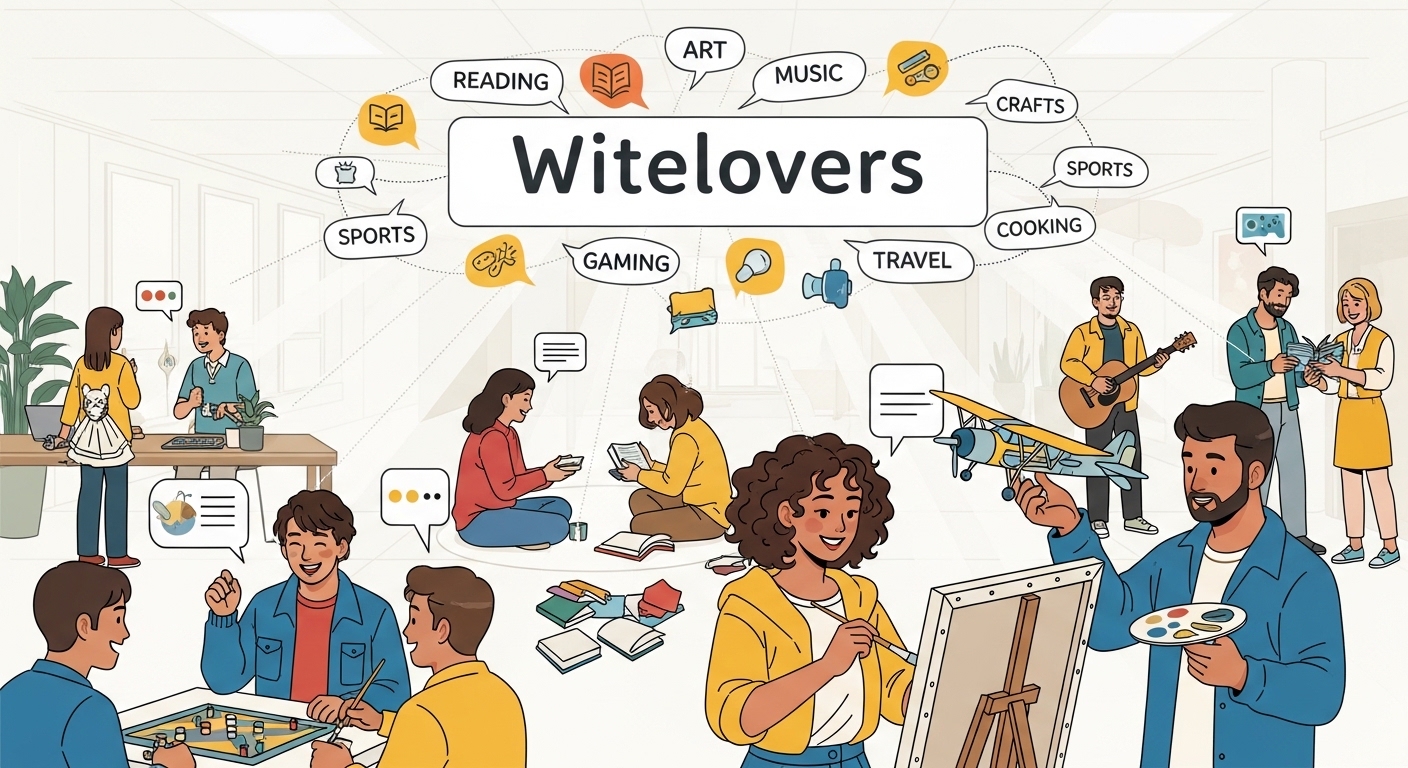
Witelovers is an innovative platform designed to connect people who share similar hobbies and interests. In a digital world often dominated by impersonal interactions, Witelovers stands out by providing a space where individuals can engage in meaningful conversations, discover new activities, and form lasting connections. Users can create profiles, share their passions, and join groups or communities that resonate with their personal hobbies, whether it is reading, painting, gaming, or exploring the outdoors. The platform prioritizes user experience and fosters a sense of belonging, making it a popular choice for hobbyists around the world.
At its core, Witelovers encourages active engagement and collaboration. Members can participate in discussions, attend virtual events, and contribute content that highlights their skills or interests. By providing tools for interaction and creativity, Witelovers goes beyond typical social networking, emphasizing community-driven experiences. The platform’s intuitive interface ensures that even those new to online hobby communities can navigate with ease, making the process of connecting with like-minded individuals enjoyable and straightforward.
Building Friendships Through Shared Interests
One of the most appealing features of Witelovers is its focus on connecting people with shared passions. Traditional social media platforms often prioritize popularity over genuine engagement, but Witelovers creates an environment where friendships are formed through common hobbies. Members can join specialized groups, participate in challenges, or collaborate on projects that align with their interests, fostering a strong sense of community. Through these interactions, individuals discover like-minded peers who provide encouragement, advice, and inspiration.
This connection through shared interests often leads to collaborations that extend beyond the platform. Many members report meeting friends with whom they attend local events, co-create content, or even start joint ventures. Witelovers supports this by offering tools to organize meetups, schedule activities, and communicate effectively within groups. By focusing on shared experiences rather than superficial interactions, the platform nurtures a culture where relationships are built on trust, respect, and mutual enthusiasm.
Exploring Diverse Hobbies on Witelovers
Witelovers hosts a wide variety of hobby groups, making it a dynamic hub for exploration. From photography to coding, culinary arts to hiking, the platform caters to a broad spectrum of interests. Users can explore groups, participate in themed discussions, and gain insights from fellow members who share their passion. This exposure not only enhances individual skills but also introduces members to hobbies they may not have previously considered. By bridging different communities, Witelovers encourages diversity and cross-disciplinary learning.
The platform also emphasizes the educational aspect of hobbies. Through tutorials, webinars, and collaborative projects, members can acquire new skills and refine existing ones. Witelovers creates a space where learning is interactive and enjoyable, allowing users to grow personally while engaging socially. The platform’s emphasis on creativity ensures that members remain inspired, motivated, and connected to a larger network of hobbyists who share their drive and curiosity.
Enhancing Creativity Through Community Engagement
Active participation on Witelovers stimulates creativity by exposing users to new ideas and techniques. When individuals interact with peers who share similar interests, they gain fresh perspectives that inspire innovation and experimentation. Whether it is a writer sharing a story, an artist posting a new painting, or a gamer streaming content, the platform allows users to showcase their creativity while receiving constructive feedback. This cycle of sharing and receiving fosters continuous growth and motivates members to pursue their passions more seriously.
In addition, Witelovers hosts themed challenges and events to encourage members to step out of their comfort zones. Collaborative projects, competitions, and virtual workshops are organized regularly, providing structured opportunities for members to showcase talent, learn new skills, and connect with others. These activities not only boost creativity but also strengthen the sense of belonging within the community, ensuring that users remain engaged and inspired over time.
Tools and Features That Support Connections
Witelovers provides an array of tools designed to facilitate connections and meaningful engagement. Users can join interest-based groups, participate in live discussions, and send private messages to foster personal relationships. The platform also supports content sharing, allowing members to upload images, videos, or articles related to their hobbies. These features ensure that members can interact in ways that suit their style, whether they prefer public discussions or one-on-one communication.
Another notable feature is the platform’s recommendation system, which suggests groups, events, and content based on user activity and interests. This ensures that members are always connected to communities where they can thrive. The integration of notifications, calendars, and collaborative tools further enhances user experience, making it seamless to plan events, participate in challenges, and stay updated on relevant discussions. By combining social networking with hobby-focused tools, Witelovers creates an ecosystem that encourages ongoing participation and engagement.
Witelovers as a Platform for Growth and Inspiration
Beyond connecting people, Witelovers is a catalyst for personal growth and inspiration. Users are exposed to a variety of perspectives, ideas, and techniques that challenge their thinking and enhance their skill set. By interacting with individuals from different backgrounds and experiences, members gain new insights and develop a broader understanding of their hobbies. This exposure fosters innovation, encourages experimentation, and cultivates a mindset of continuous improvement.
The platform also serves as a source of motivation and encouragement. Through peer recognition, feedback, and collaboration, members feel validated and inspired to pursue their passions more actively. Witelovers highlights success stories and achievements within the community, creating role models and mentors for newer members. This cycle of inspiration and growth reinforces the platform’s core mission: to connect individuals while nurturing creativity, collaboration, and lifelong learning.
Measuring Engagement and Community Impact
Witelovers tracks engagement and interaction metrics to ensure that the platform remains a positive and dynamic space. By monitoring active participation, content sharing, and collaboration trends, the platform identifies popular interests and emerging hobbies. This data-driven approach allows administrators to enhance user experience, create targeted events, and provide recommendations that increase member satisfaction and retention.
The impact of Witelovers extends beyond online interactions. Many members report that their involvement has improved social skills, expanded professional networks, and even led to new career opportunities. By emphasizing shared interests and meaningful engagement, the platform fosters a community where members feel supported, inspired, and connected. The measurable growth in user participation and positive outcomes underscores Witelovers’ role as a transformative social hub.
The Future of Witelovers: Connecting Generations Through Hobbies
Witelovers is continuously evolving to meet the needs of its diverse user base. Plans for future updates include enhanced virtual events, AI-driven recommendations, and expanded collaboration tools. These improvements aim to make the platform even more intuitive and engaging, enabling members to connect, learn, and grow seamlessly. By integrating technology with human-centered design, Witelovers ensures that connections remain authentic and meaningful.
The platform also envisions bridging generational gaps through shared hobbies. Older and younger members alike can contribute their expertise, learn from each other, and foster intergenerational friendships. This inclusive approach ensures that Witelovers remains relevant, engaging, and beneficial for a wide audience. By combining technology, creativity, and community, the platform is poised to redefine how people connect through shared interests and hobbies in the digital era.
Table: Popular Hobby Categories on Witelovers
| Hobby Category | Description | Popular Activities |
|---|---|---|
| Arts and Crafts | Creative expression through various mediums | Painting, Drawing, DIY Projects |
| Technology & Gaming | Exploring digital innovation and gaming culture | Coding, Streaming, Game Development |
| Outdoor Activities | Connecting with nature and fitness | Hiking, Cycling, Gardening |
| Culinary Arts | Cooking, baking, and food exploration | Recipe Sharing, Online Cook-offs |
| Literature & Writing | Developing writing skills and literary appreciation | Book Clubs, Story Sharing |
| Music & Performing Arts | Musical creation and performance | Singing, Instrumental Sessions, Dance |
This table highlights the diversity of hobbies that Witelovers supports, showcasing the range of opportunities for members to explore and connect with like-minded individuals.
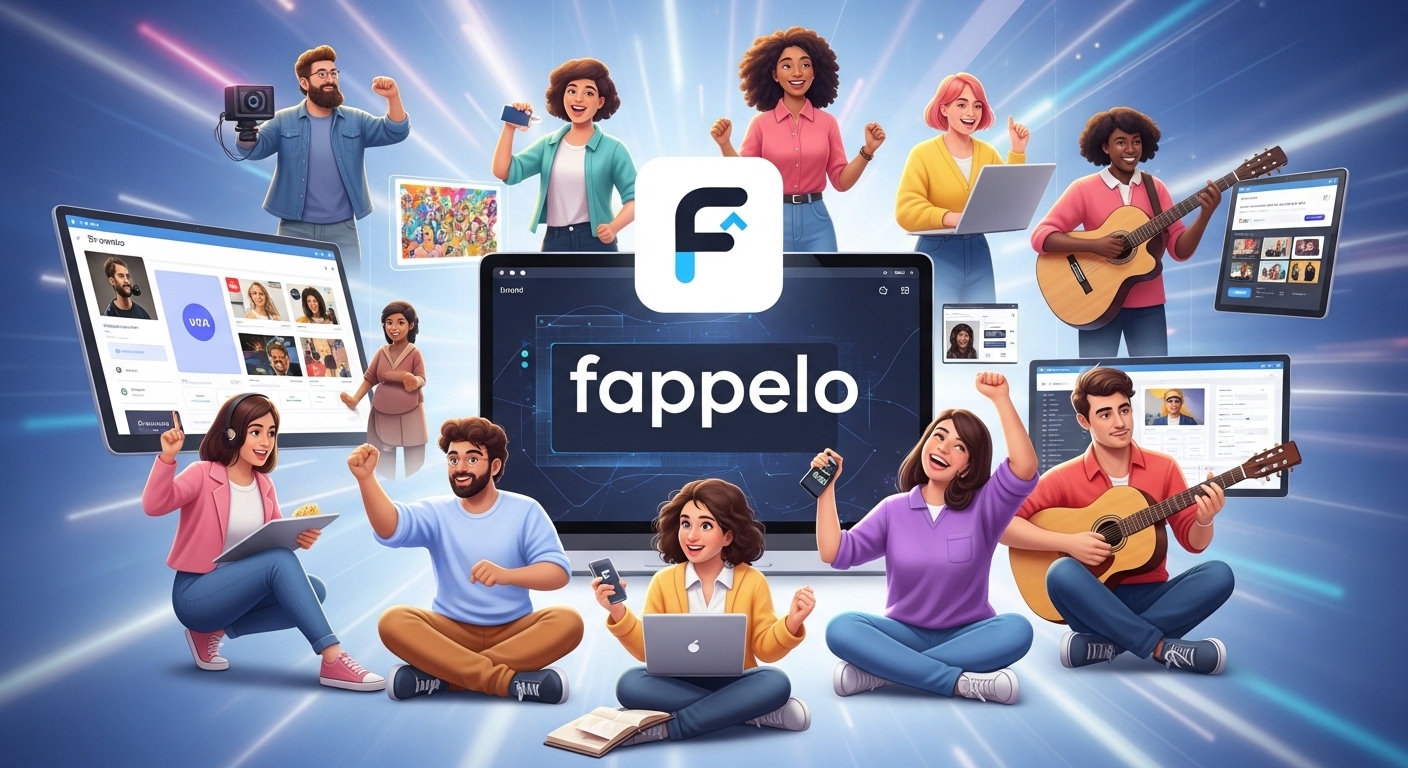
In today’s rapidly evolving digital landscape, content creators are constantly searching for platforms that offer both flexibility and growth opportunities. Fappelo has emerged as a pioneering platform that addresses these needs, providing an ecosystem where creators can thrive while maintaining creative freedom. Unlike traditional social media platforms, Fappelo emphasizes personalization, monetization, and analytics, ensuring creators have the tools they need to build meaningful relationships with their audience. With its intuitive interface, Fappelo is attracting a diverse group of content creators who are looking to elevate their digital presence efficiently.
Fappelo is not just another content platform; it is a comprehensive solution that integrates multiple features to optimize the creator experience. From advanced analytics that track audience engagement to monetization strategies that ensure financial stability, Fappelo empowers creators to focus on what they do best: producing high-quality content. Its unique approach fosters a community-centric environment, making collaboration between creators seamless and impactful. By combining technology with user-centric design, Fappelo is redefining how content creators interact with their audience and scale their influence.
Monetization Opportunities That Empower Creators
One of the most significant ways Fappelo is changing the game for content creators is through its innovative monetization strategies. Unlike conventional platforms that rely heavily on advertisements or sponsorships, Fappelo allows creators to explore multiple revenue streams. These include subscription models, pay-per-view content, and fan-based contributions, ensuring that creators are rewarded fairly for their efforts. This flexibility attracts creators from different niches, enabling them to diversify their income without compromising the quality or authenticity of their work.
Monetization on Fappelo is further enhanced by its analytics-driven approach. The platform provides creators with insights into audience behavior, engagement trends, and content performance. These metrics allow creators to optimize their strategies, maximize reach, and increase revenue potential. By combining creative freedom with actionable data, Fappelo ensures that creators can focus on producing compelling content while maintaining financial sustainability. The platform’s transparent and user-friendly monetization tools make it an attractive choice for creators looking to grow professionally and financially.
| Feature | Benefit | Impact on Creators |
|---|---|---|
| Subscription Model | Recurring income | Financial stability |
| Pay-Per-View | Monetize premium content | Increased engagement |
| Analytics Dashboard | Track performance | Data-driven growth |
| Community Tools | Collaboration opportunities | Expanded reach |
Community Engagement and Collaboration
Another standout feature of Fappelo is its emphasis on community engagement. Content creation is no longer a solitary activity, and platforms that encourage interaction often see greater success. Fappelo fosters a collaborative environment where creators can network, share insights, and co-create content. This sense of community enhances creativity, allowing creators to experiment with new formats and approaches while receiving real-time feedback from their peers. Engagement tools such as discussion forums, content sharing, and live collaboration sessions make it easy for creators to build strong networks and expand their influence.
Fappelo’s community-centric model also strengthens the bond between creators and their audience. By enabling fans to interact with content in meaningful ways, the platform promotes loyalty and long-term engagement. Creators can use features such as audience polls, live Q&A sessions, and interactive content to involve their followers actively. This deeper connection not only drives engagement metrics but also encourages fans to support creators financially. The combination of collaboration, interaction, and real-time feedback positions Fappelo as a platform where both creators and audiences benefit equally.
Tools and Features Driving Creator Success
The suite of tools provided by Fappelo is central to its appeal among content creators. From content scheduling to advanced analytics, the platform equips creators with everything needed to manage their online presence effectively. Automated tools reduce administrative burdens, allowing creators to focus on innovation and storytelling. Features such as customizable content templates, SEO optimization, and multimedia integration make Fappelo a versatile platform capable of supporting various content formats, from videos to articles.
Analytics play a crucial role in shaping successful content strategies. Fappelo provides creators with comprehensive insights into engagement patterns, audience demographics, and content performance. This data enables creators to refine their approach, experiment with different content types, and understand what resonates with their audience. By leveraging these tools, creators can achieve sustainable growth, boost visibility, and enhance revenue potential. Fappelo’s emphasis on functionality and user experience ensures that creators of all skill levels can thrive without technical barriers.
| Tool | Purpose | Benefit |
|---|---|---|
| Content Scheduler | Plan posts in advance | Consistent posting |
| Analytics Dashboard | Track metrics | Data-driven decisions |
| SEO Optimizer | Improve visibility | Increased reach |
| Multimedia Integration | Add images/videos | Richer content experience |
Fappelo as a Platform for Emerging Creators
Emerging creators face unique challenges, from building an initial audience to establishing credibility. Fappelo addresses these obstacles by offering a supportive environment tailored to creators at all stages of their journey. Its easy-to-use interface, combined with powerful growth tools, makes it an ideal starting point for new creators looking to establish their brand. Fappelo’s algorithms prioritize content discovery, giving emerging creators visibility alongside established influencers, which helps accelerate growth and recognition.
The platform also provides mentorship and educational resources to guide creators in maximizing their potential. Tutorials, webinars, and community forums allow creators to learn from industry experts and peers, ensuring that growth is both strategic and sustainable. By nurturing emerging talent, Fappelo positions itself as not only a platform for content distribution but also as an incubator for future creative leaders. The ability to learn, collaborate, and monetize effectively ensures that newcomers can compete in the digital space with confidence and professionalism.
Security, Privacy, and Creator Trust
Trust and security are critical factors for content creators when choosing a platform. Fappelo has implemented robust measures to protect both creators and their audiences. Data encryption, secure payment systems, and strict privacy policies ensure that sensitive information is safeguarded. This commitment to security fosters a trustworthy environment where creators can focus on content without worrying about potential risks.
Fappelo also emphasizes transparency in its policies, making it clear how data is used and how revenue is calculated. By providing creators with control over their content and audience interactions, the platform strengthens confidence and loyalty. Security features extend beyond technical safeguards, incorporating community moderation and support systems that maintain a respectful and safe environment. This dedication to trust ensures that Fappelo remains a reliable and attractive choice for creators seeking a secure platform for growth.
| Security Feature | Description | Impact |
|---|---|---|
| Data Encryption | Protects sensitive data | User confidence |
| Secure Payments | Safeguards transactions | Financial safety |
| Privacy Controls | Creator content control | Trust & transparency |
| Community Moderation | Monitors interactions | Safer environment |
Conclusion
In conclusion, Fappelo is transforming the content creation landscape by providing creators with tools, monetization opportunities, and community support that were previously difficult to access on a single platform. Its focus on personalization, engagement, and revenue diversification ensures that creators can thrive creatively and financially. By integrating advanced analytics, interactive tools, and security measures, Fappelo empowers creators to focus on innovation and audience connection.
As the digital content industry continues to expand, platforms like Fappelo will play an increasingly vital role in shaping the future of creative work. By offering a comprehensive ecosystem where creators can learn, collaborate, and monetize effectively, Fappelo sets a new standard for what content platforms can achieve. Its innovative approach ensures that creators, both new and established, can reach their full potential while building lasting relationships with their audience. The future of content creation is bright, and Fappelo is leading the way.

In today’s fast-paced digital world, content creation is all about efficiency, quality, and innovation. AI video generators are transforming the video production process, making it possible to create high-quality videos in minutes. Whether you’re a marketer, developer, or content creator, having access to the right tool can save you hours of manual work and allow you to focus on the creative aspects of your project.
In this article, I’ll walk you through some of the best AI video generators that are dominating the market in 2026. After spending weeks testing these tools, I can confidently say that there’s a tool here for every need—whether you’re looking for simple video creation, lip-syncing features, face swap video online, or even transforming images into videos.
1. Magic Hour
Best for: High-quality video creation from images, AI-generated lip-sync, and more.
Magic Hour’s AI-powered video generation is a standout tool for anyone looking to transform images into compelling videos quickly. Whether you’re looking to create an engaging product video or turn a series of images into a dynamic visual story, Magic Hour offers versatile options.
Pros:
- AI Image-to-Video: Transform static images into videos with ease.
- Lip-sync AI: Sync your video’s voice with real human-like expressions.
- No prompts required: Unlike other tools, Magic Hour allows you to start creating without entering complex commands.
- Easy interface: Even beginners can produce professional-looking videos.
Cons:
- Requires internet connection (web-based).
- Limited advanced customization compared to some competitors.
Magic Hour is a game-changer for creators looking for quick and polished video content generation. I tested its AI image-to-video functionality and AI lip sync features, and the results were impressive, with no manual editing required.
Pricing: The Basic plan is free, while the Creator plan starts at $10/month.
2. Pictory
Best for: Marketers and content creators who need fast, easy text-to-video conversion.
Pictory excels in turning long-form content like blogs or articles into engaging video summaries. It’s an excellent choice for creating marketing videos, social media content, and more, with its intuitive interface that allows you to simply paste your script.
Pros:
- Text-to-Video: Automatically generate videos from scripts.
- Fast video generation: Creates videos in minutes, saving time for marketers.
- Customizable templates: Helps you align the video style with your brand.
Cons:
- Limited features for fully custom videos.
- The AI-generated voiceovers can sound mechanical at times.
For marketers looking to repurpose written content into videos quickly, Pictory is hard to beat. It’s perfect for social media campaigns or promotional videos that need to be produced on a tight deadline.
Pricing: Free plan available. Paid plans start at $20/month.
3. Synthesia
Best for: Creating corporate training or explainer videos with realistic AI avatars.
Synthesia is one of the leading AI video generators when it comes to creating lifelike avatars that can present your script. With its wide range of multilingual capabilities, it’s the go-to tool for companies looking to scale their training videos.
Pros:
- Realistic AI avatars: Human-like avatars present your content naturally.
- Multi-language support: Perfect for global teams and content localization.
- Custom avatars: Upload your own avatar for personalized branding.
Cons:
- No free plan.
- Requires more time to create highly customized videos.
If you need an easy way to create professional training or explainer videos with virtual presenters, Synthesia is a solid choice. The avatars are highly realistic and make video creation seamless.
Pricing: Starts at $18/month for personal use.
4. Animoto
Best for: Social media content creators and influencers looking for quick video creation.
Animoto’s user-friendly platform makes it perfect for creators who need to make high-quality social media videos without spending hours on editing. It features drag-and-drop functionality with customizable templates, enabling you to create professional videos in minutes.
Pros:
- Template-based video creation: Choose from an array of professional templates.
- Social media ready: Optimize videos for different platforms like Instagram and Facebook.
- Affordable pricing: Great for beginners and budget-conscious users.
Cons:
- Limited customization for advanced video creators.
- Can become repetitive if you use the same templates often.
Animoto is perfect for fast, high-quality video creation with minimal effort. It’s especially suited for marketers and influencers looking to quickly produce content for social media.
Pricing: Free plan available. Paid plans start at $15/month.
5. DeepBrain
Best for: Personalizing videos with AI avatars and lip-syncing.
DeepBrain shines in personalizing videos with realistic AI avatars that can lip-sync and present content naturally. It’s an ideal tool for creating personalized marketing videos or influencer content with real human-like interactions.
Pros:
- Lip-sync AI: Accurate lip-sync for realistic presentations.
- AI avatars: Customizable avatars to suit your brand.
- Great for personalized content: Perfect for one-on-one customer engagement.
Cons:
- No free plan.
- Can be pricey for smaller businesses.
If you’re looking to create videos that connect with your audience on a personal level, DeepBrain is the best tool for producing high-quality, engaging content with realistic avatars.
Pricing: Starts at $29/month.
How We Chose These Tools
I spent weeks testing each of these tools, evaluating them based on criteria like ease of use, video quality, customization options, and pricing. While all of these tools offer great features, some shine more in certain use cases. For instance, Magic Hour is excellent for transforming images into engaging videos, while Pictory is ideal for marketers looking to quickly convert text into video.
The Market Landscape / Trends
In 2026, AI video generation is becoming more refined. Tools like Magic Hour and DeepBrain offer advanced features like lifelike avatars, while platforms such as Pictory cater to a wider audience by converting existing content into video with minimal effort. The trend is moving toward personalization and faster content creation with AI, but some platforms are still lagging behind in terms of customization.
Final Takeaway
While all the tools reviewed here have their merits, Magic Hour stands out for its AI image-to-video and lip-sync capabilities, making it an excellent choice for anyone looking to produce high-quality video content from static images. However, if you’re focused on creating corporate training videos or personalized content, tools like Magic Hour and DeepBrain might be more suited to your needs.
Don’t forget to experiment with the free plans available before committing to a paid subscription—there’s no better way to find the best tool for your specific needs.
-

 Lifestyle7 months ago
Snowhiter: How to Enjoy Winter While Protecting Our Planet
-

 Lifestyle8 months ago
Pyjamaspapper: The Perfect Blend of Style and Comfort for Night Sleep
-

 Technology8 months ago
Libnk: Revolutionizing Collaboration in the Digital Age
-

 Business7 months ago
Elk Grove Hyundai: Behind the Scenes of a Premier Dealership
-

 Technology6 months ago
What is Voozon.com? Is This the Best Website for Your Needs?
-

 Blog6 months ago
Flagbeez Com: Affordable and Stylish Flags for Every Occasion
-

 Entertainment7 months ago
Lwedninja: Revolutionizing Online Content Creation
-

 Technology7 months ago
The Future of Fapell: Innovations and Possibilities Ahead